Massage chairs at work
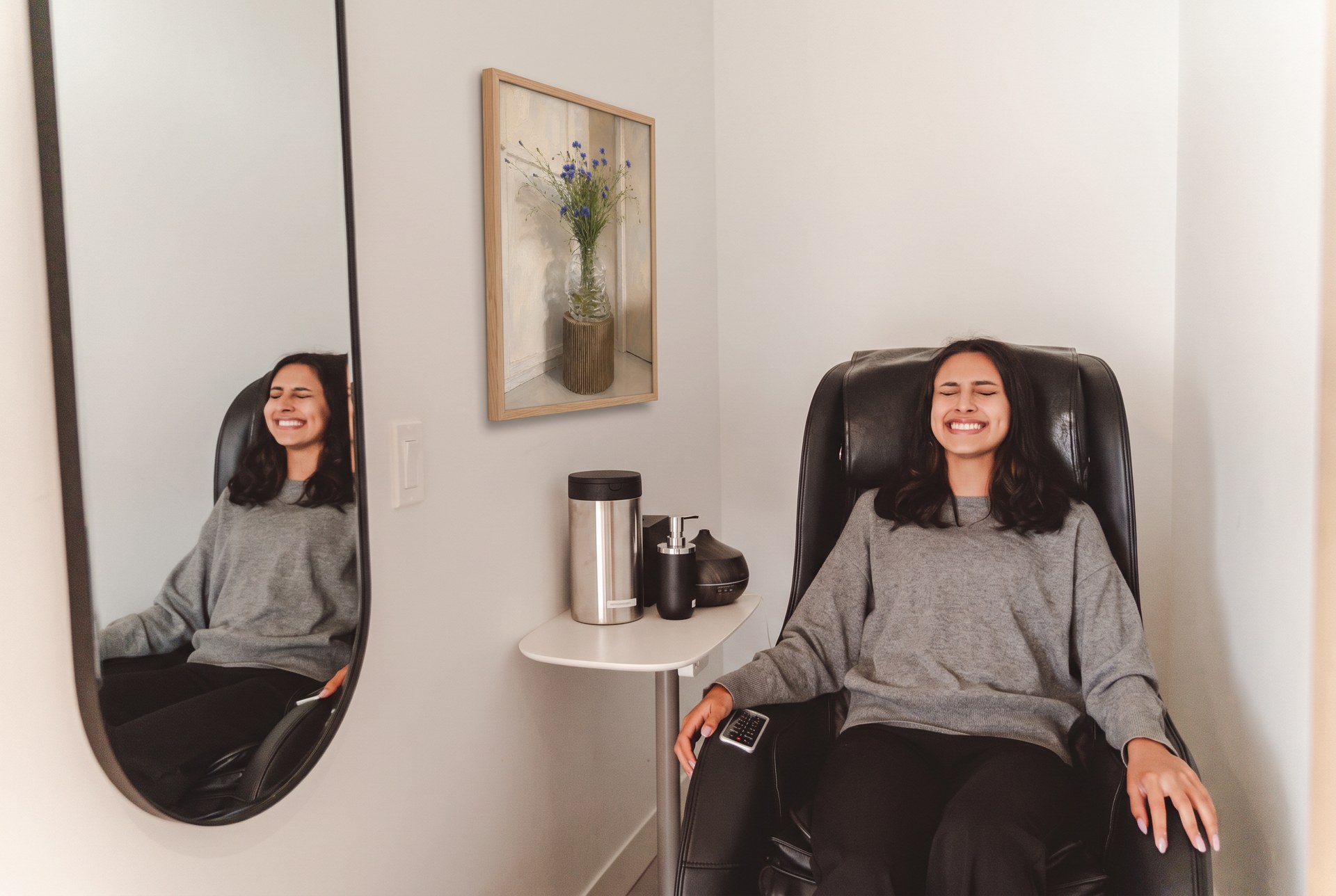
A massage chair provides 10–20 minutes of targeted relaxation for the neck, shoulders and back without booking or a therapist. It works best in a closed room with dimmable light and simple instructions on the wall.

Focus area
The body cannot hold the same position for eight hours, no matter how good the chair is. Wellbeing is about what happens between tasks: breaks that actually help you recover, a place to unwind and the chance to move. Preventing tension costs less than treating it.
Four situations that are almost always about wellbeing.
Lunch in front of the screen and coffee at the desk give neither the body nor the mind a change. Without real breaks, the tension stays in the neck and shoulders for the rest of the day.
Many offices have meeting rooms and workstations, but no place where you are allowed to do nothing for ten minutes. So the break is taken in the hallway or not at all.
Musculoskeletal disorders are one of the most common causes of sick leave in Denmark. They rarely start suddenly. They build up over months with too little variation.
Massage chairs and break rooms are often seen as a luxury. But they solve a concrete problem: the body needs to recover if it is to last through the working day.
Our approach
We don't sell wellbeing as a package. We find out what the actual challenge is — where and when it occurs — and we only recommend what makes a difference.
01
Not what the employee handbook says, but what happens in practice. Where people go, for how long, and what keeps them from doing it.
02
The analysis shows where the problems are — typically the neck, shoulders and lower back. Recovery options should target those areas, not be a random gesture.
03
A massage chair in an open-plan office will not be used. We point to a room or corner with quiet, screening and easy access, so the offer is actually used.
04
After a couple of months, we look at whether the equipment is being used, and by whom. If it is not, the reason is usually placement or culture, not the product.
Solutions
A massage chair provides 10–20 minutes of targeted relaxation for the neck, shoulders and back without booking or a therapist. It works best in a closed room with dimmable light and simple instructions on the wall.
A break room should look different from the workplace: softer furniture, dimmed light, acoustic dampening and no screens. The signal should be clear: this is not a place for work.
Sit-stand desks, walking meetings and short stretches do more for the body than one long workout a week. Variation is what relieves the body, not intensity.
If you can hear the office from the break room, the nervous system does not recover. Acoustic dampening and screening are often what it takes for wellbeing offerings to work at all.
The equipment only works if it is okay to use it. Managers using it themselves and a clear message that breaks are part of the working day decide whether the offer is used.
Documentation
We rely on the same sources as the rest of our advice: the rules of the Danish Working Environment Authority, godtarbejdsmiljo.dk and the National Research Centre for the Working Environment.
Musculoskeletal disorders
Neck, shoulder and back problems are among the most common causes of sick leave in Denmark and are closely linked to static working postures and a lack of recovery.
NFA (Denmark) · Work Environment and Health in Denmark
See the sourceVariation over a single posture
The best working posture is the next one. Changing positions and taking frequent short breaks put less strain on the body than one "correct" posture all day.
godtarbejdsmiljo.dk · Ergonomics
See the sourceBreaks and rest
Work must be organized so there is room for variation and breaks. Repetitive, straining work without interruptions is a work environment problem, not a personal matter.
Danish Working Environment Authority · Ergonomic work environment
See the sourceStress and recovery
A lack of recovery during the working day is one of the factors that increase the risk of stress-related symptoms and long-term sick leave.
NFA (Denmark) · Psychosocial work environment
See the sourceIndustries
Wellbeing does not mean the same thing everywhere. Here are the workplaces where we are most often called in — and why.
Eight hours in the same position causes tension in the neck, shoulders and lower back long before there is any injury. Massage and active breaks during working hours keep it from developing.
Standing and walking work strains the legs and feet. Foot and leg massage during breaks is both recovery and a visible signal that the body matters.
In healthcare and emergency services, breaks are short and irregular. A wellbeing room that can be used for ten minutes actually gets used.
When musculoskeletal disorders weigh heavily in the absence statistics, recovery during working hours is one of the cheapest places to start.
Guide
A massage chair in the wrong room will not be used. Here is how to make sure the investment turns into recovery.
01
Neck and shoulder tension from screen work, or tired legs from standing work? The two needs point to a massage chair and foot and leg massage, respectively.
02
The solution should be placed where people can sit down without being seen by the whole department — but close enough that they will bother to go there during a break.
03
Massage chairs need clearance behind them when the backrest reclines, and a regular power outlet nearby. Measure before you order.
04
A program typically lasts 10-20 minutes. The number of employees and break patterns determine whether one unit is enough or more are needed.
05
Wipeable covers and a fixed routine are the difference between a wellbeing room that is used all year and one that closes after six months.
06
You can feel the difference between models in ten minutes. A demonstration at your workplace gives a better basis for a decision than a data sheet.
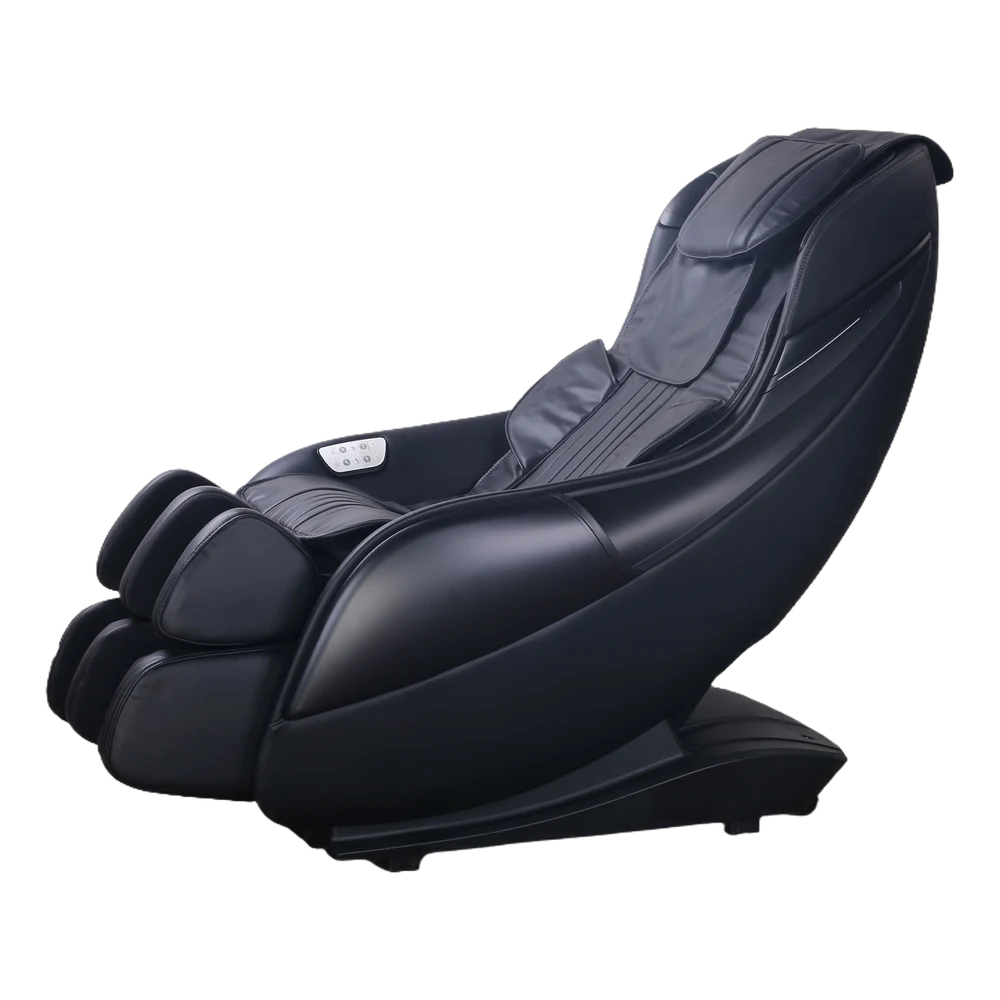
What we typically end up recommending — when the analysis points that way.
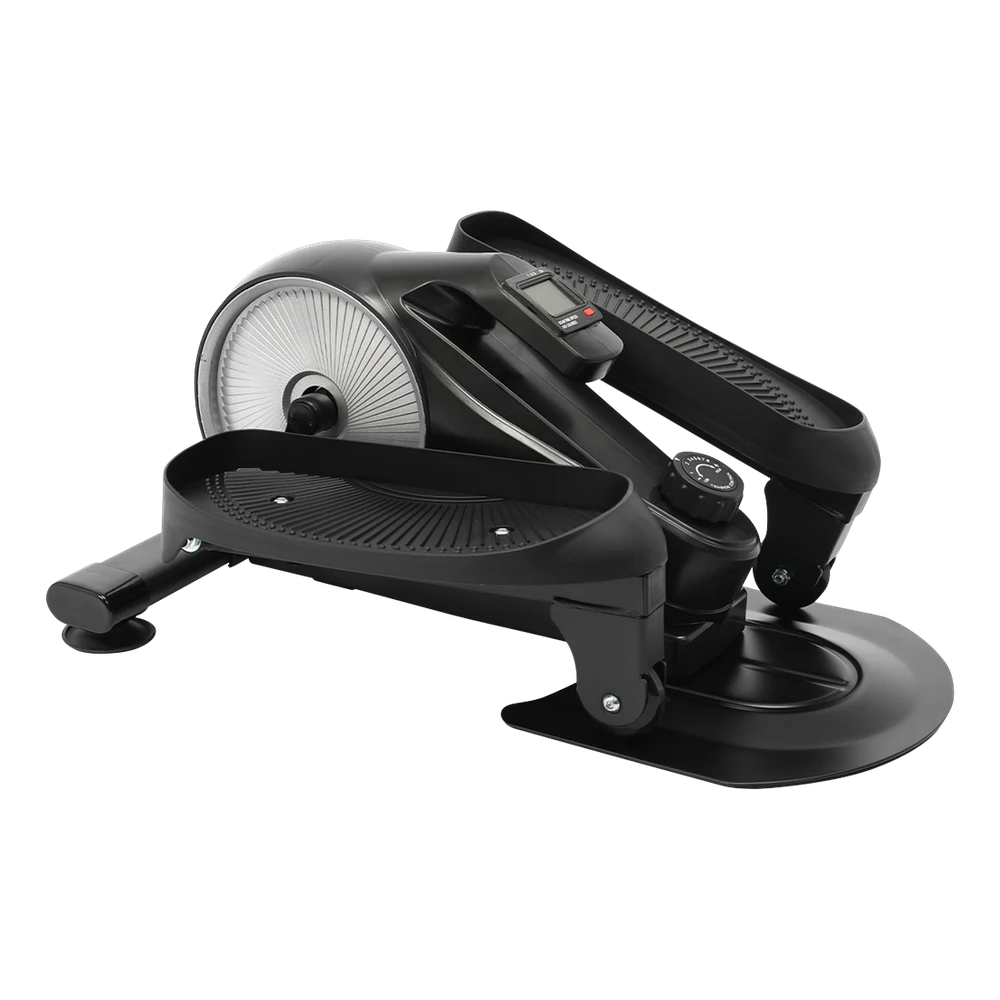
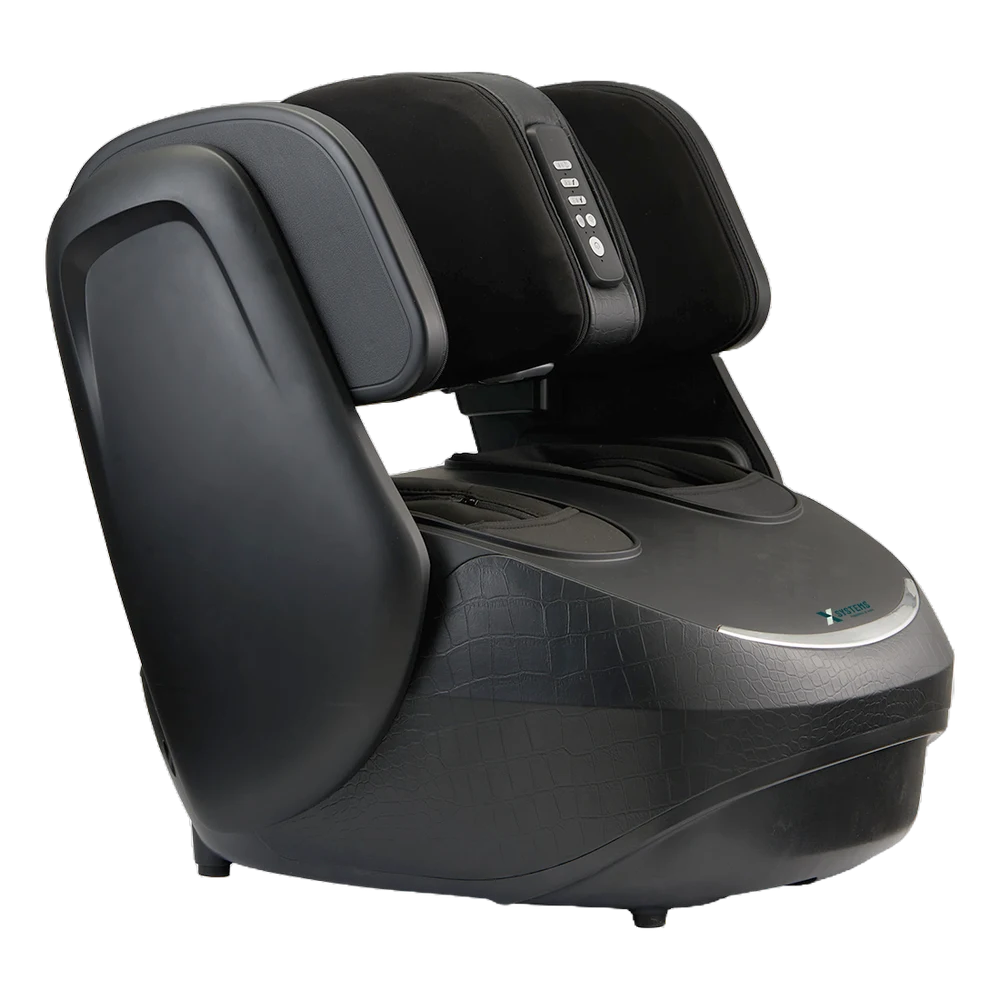
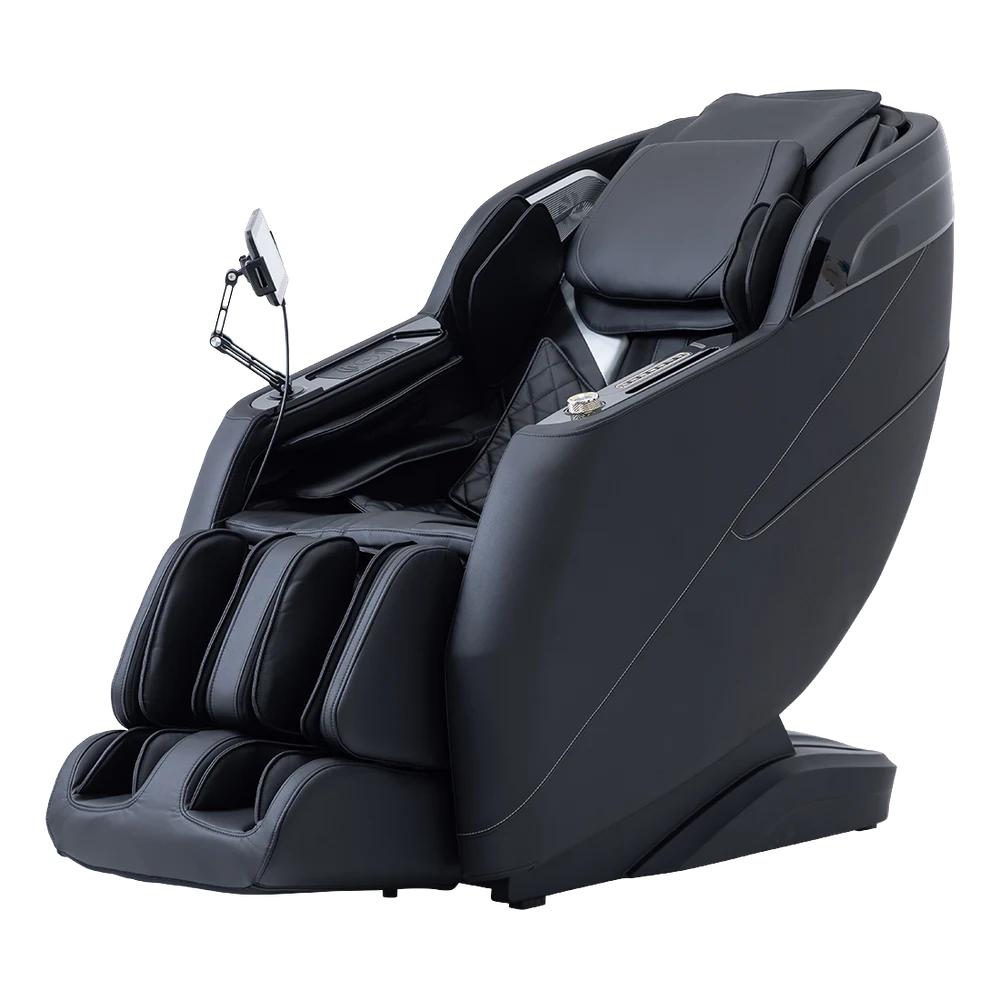
Typical project — example
The analysis showed that neck and shoulder problems were the most widespread issue and that breaks were mostly taken at the desk. We turned a small existing meeting room into a quiet room with acoustic dampening, dimmed light and two massage chairs, and agreed with management that 15 minutes of use counts as working time. The figures below are a common outcome — your own come from the analysis.
FAQ
Not when they are used with a purpose. If the problems are in the neck and shoulders, 10–20 minutes of relaxation gives real relief during the working day. It is prevention, not pampering.
In a closed or screened-off room with quiet and the option to dim the light. In an open-plan office it is rarely used, because people feel watched.
Typically 10–20 minutes. Most companies settle on a program of about a quarter of an hour, which fits into a regular break.
Placement, simple instructions and a clear message from management that it is okay to use it during working hours. We follow up after a couple of months and make adjustments if it is not being used.
No. Wiping the cover and an annual service are usually enough. We recommend products with available spare parts, so the chair can be repaired rather than replaced.
The work environment analysis is free and without obligation. A lot can be solved with layout and agreements about breaks, and if equipment is needed, you get a complete estimate.
Tell us briefly how many employees are involved, and a consultant will get back to you with a time.